Cook what you have: a quiet manifesto for the Dutch kitchen
Half the food in the average Dutch fridge gets used. The other half quietly turns into guilt. Here is how we think about fixing that — without diet apps, meal kits, or another spreadsheet to maintain.
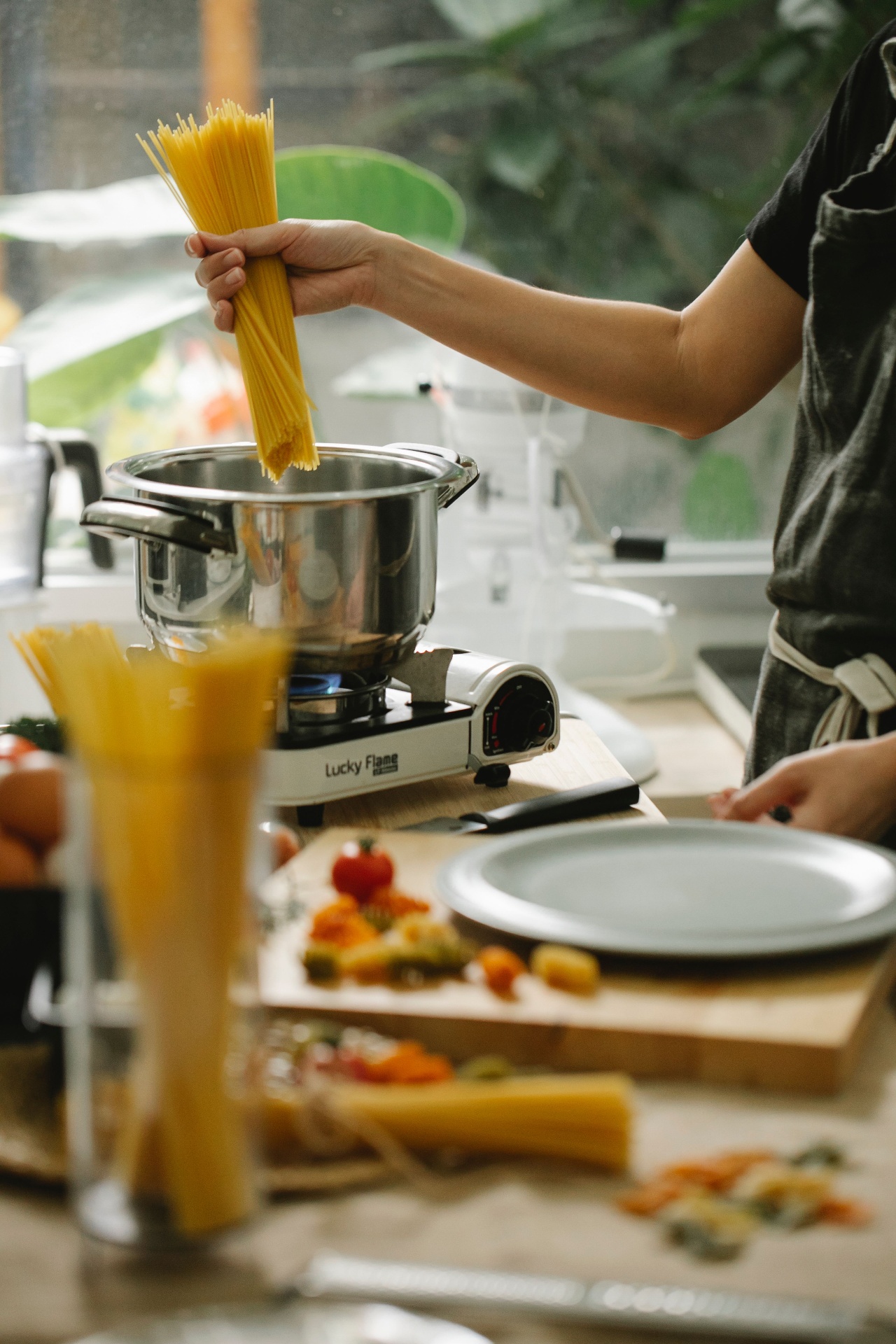
The fridge is not the problem
Open any fridge in the Netherlands on a Wednesday evening and you will find the same scene: a half-used jar of pesto, two yoghurts past their best-before, a bag of spinach that was full of potential on Saturday and is now a soft green puddle.
This is not a personal failing. It is a design failing. The supermarket is optimised for getting things into your basket. Almost nothing is optimised for getting them out of your fridge.
What we throw away, by the numbers
The average person in the Netherlands throws out 25.5 kilograms of good food a year — about €100 straight to the bin. The single biggest category, year after year, is bread: 4.3 kilograms per person (Voedingscentrum, 2025).
The thing that bothers us most is that almost none of this waste is intentional. People do not plan to waste food. They forget what they have.
The forgetting is the whole problem.
Three things that quietly help
We are not going to tell you to meal-plan harder. Most people who try meal-planning give up within three weeks. Instead, here are three habits that survive a real Tuesday.
1. Know what you have, without writing it down
If your kitchen requires a paper list to function, the list will be wrong within 48 hours. The only pantry tracker that works is one that updates itself when you shop.
This is, not coincidentally, what snupp does — but the principle holds even if you build your own system. The act of tracking has to be cheaper than the act of forgetting.
2. Cook from the fridge, not from the recipe
The standard recipe app asks: what do you want to cook? Then it asks you to go shopping. The better question is: what is already here?
Most weeknights, the answer is "enough for something good, if I think about it for thirty seconds." The thirty seconds is the bottleneck.
3. Shop where it is actually cheaper
Albert Heijn is convenient. Jumbo is sometimes cheaper. Lidl is usually cheaper. Aldi is almost always cheapest on staples. None of this is news.
What is news is that the difference, across a normal weekly shop, is often more than ten euro. Over a year, that is a long-haul flight.
What good looks like
A kitchen on autopilot is not a kitchen with more rules. It is a kitchen with fewer decisions. You scan the receipt. The system updates itself. The app tells you what is about to expire and what to do with it. You cook. You shop for what is missing — at whichever supermarket is cheapest that week.
That is the whole thing. No diet. No guilt. No spreadsheet.
If you want to try it on your own kitchen, snupp is in early access. We are letting people in a few at a time. Join the waitlist.